How can North Carolina strengthen transition planning and handoffs for people leaving prison?
Department of Adult Corrections (DAC)
Division of Rehabilitation and Reentry
Last updated September 24, 2026
At a glance
- Status
- Seeking Partners
- Next step
- Express interest
Connect to this project
Register your interest and choose to receive updates about this project.
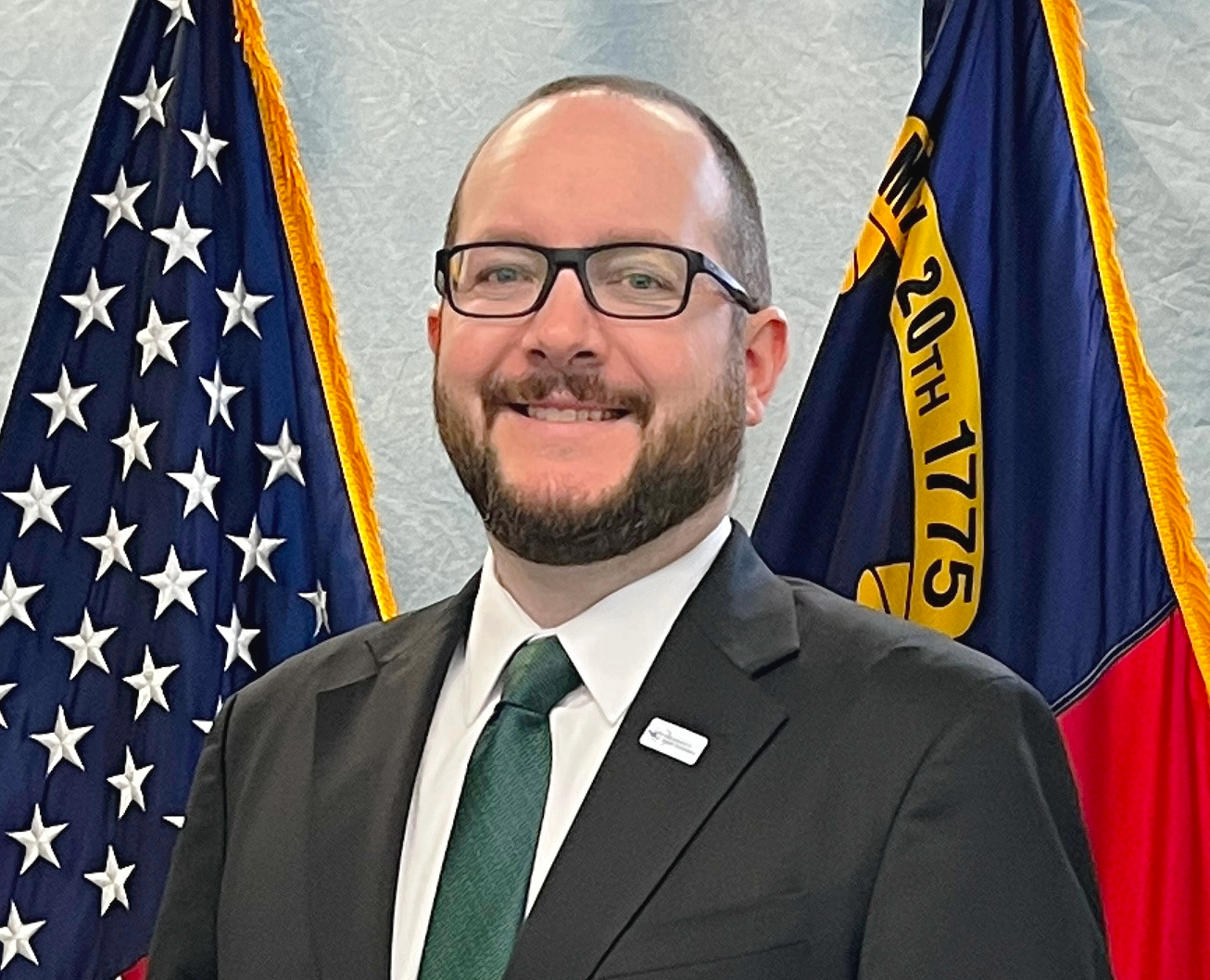
To discuss your ideas or schedule a conversation, email Shaun Gann, DAC Research Manager.
Email Shaun GannEmailing the project contact does not sign you up for updates.
Summary
The North Carolina Department of Adult Correction (DAC), through its Division of Rehabilitation and Reentry, is seeking an independent research partner to evaluate how people move from prison-based transition planning into Community Supervision and community-based reentry services. This Phase 1 process evaluation and gap analysis will examine whether needs are assessed early enough, information and responsibility transfer reliably, and people receive timely connections to services.
The partner will combine administrative records with interviews, surveys, focus groups, and site visits to identify where the process works well, where it breaks down, and what DAC can standardize statewide. A later Phase 2 project would separately evaluate the effectiveness of Local Reentry Councils.
An information session was held on September 24, 2026. Watch the recording, express interest and choose project updates, and email Shaun Gann to discuss your ideas or schedule a conversation about the project.
Background
More than 18,000 people leave North Carolina prisons each year. A successful transition can depend on practical steps completed before and immediately after release: obtaining identification and medications, assessing housing and employment needs, developing a service plan, and establishing live connections to supervision officers and local providers.
That transition crosses several parts of North Carolina's reentry system. Prison staff begin needs assessment and release planning; DAC Transition Services coordinates the process; Community Supervision assumes responsibility after release; and Local Reentry Councils connect people to services such as housing, employment, treatment, and transportation. When information arrives late, referrals are incomplete, or responsibilities are unclear, people can miss support at the moment it matters most.
Because Local Reentry Council outcomes depend in part on the quality and timeliness of this upstream work, Phase 1 will focus on DAC's internal transition process and the handoffs into supervision and community services. It will not attempt to determine whether Local Reentry Councils improve reentry outcomes or public safety; that question is reserved for a future Phase 2 evaluation.
Research questions
The evaluation should address four practical questions:
- When does transition planning begin relative to release, and how consistently are needs such as housing, employment, identification, health care, behavioral health, transportation, family reunification, and benefits assessed early enough to act on them?
- How reliably do information and responsibility transfer from prison facilities to Community Supervision, Local Reentry Councils, and community providers?
- What distinguishes a successful warm handoff — a live, person-to-person connection rather than a paperwork-only referral — and how should success be measured?
- Which staffing, technology, policy, or resource barriers explain variation across facilities, supervision districts, and counties, and which practices from stronger-performing sites could be adopted elsewhere?
The research design should combine statewide administrative analysis with fieldwork that captures the perspectives of staff, community partners, and people who have recently left prison.
Planned use of results
DAC will use the findings to strengthen statewide transition planning and improve consistency, accountability, and continuity of care in support of Reentry 2030. The results should help the agency:
- Establish practical statewide standards for transition planning and handoffs.
- Improve referral workflows, documentation, and coordination across organizational boundaries.
- Target staff training, technical assistance, and quality assurance efforts.
- Define a small, useful set of performance measures for ongoing monitoring and continuous improvement.
- Prioritize data improvements and inform future resource-allocation or funding decisions.
- Define the data and evaluation infrastructure needed for a future study of Local Reentry Council effectiveness.
Anticipated deliverables
- Current-state process map: A clear map of the transition process from pre-release planning through Community Supervision and connection to community services, including key decision points, owners, handoffs, and variation across locations.
- Statewide process evaluation and gap analysis: A mixed-methods assessment of the timeliness, consistency, completeness, and coordination of transition planning and referrals, with examples from sites showing stronger and weaker performance.
- Performance measurement framework: A focused set of measures, definitions, data sources, and reporting recommendations that DAC can use to monitor transition quality statewide.
- Improvement plan: Prioritized recommendations for workflows, warm handoffs, documentation standards, training, technical assistance, data collection, and quality assurance.
- Leadership briefing and next-phase roadmap: A concise presentation for DAC leadership and a roadmap identifying the decisions, data, and resources needed for implementation and a future Phase 2 evaluation of Local Reentry Councils.
Funding
No dedicated funding is currently available for this project.
Data & assets
Potential sources include DAC offender and case management systems; prison release and transition-planning records; Community Supervision records; Local Reentry Council assessments and quality assurance reviews; referral and service-use records; policies and standard operating procedures; and existing performance measures.
The selected partner should work with DAC to confirm data availability, definitions, quality, linkage options, privacy requirements, and the feasibility of comparing practices across facilities, supervision districts, and counties. The project may also require new data collection through surveys, interviews, focus groups, and site visits.
Expertise needed
Strong teams will combine subject-matter knowledge with practical evaluation experience. Relevant capabilities include:
- Process and implementation evaluation in corrections, reentry, community supervision, or related public systems.
- Analysis of linked administrative and operational data.
- Qualitative research, including interviews, focus groups, site visits, and cross-site case comparison.
- Survey design and analysis.
- Process mapping, performance measurement, and continuous quality improvement.
- Stakeholder engagement across government agencies, community organizations, service providers, and people directly affected by the transition process.
- Clear communication of findings and recommendations to agency leaders and operational teams.
Key dates
September 24, 2026, 2:00 PM ET
Virtual information session held. Watch the recording.
Next step
Email Shaun Gann to discuss your ideas or schedule a conversation about the project.

Access to real users
DAC will facilitate appropriate access to wardens, Community Supervision leaders, Transition Services staff, Community Development Specialists, case managers, Local Reentry Council partners, and other relevant staff for interviews, focus groups, and surveys. The research plan should also propose an ethical and feasible way to include the perspectives of people who have recently left prison.
Point of contact
At a glance
- Status
- Seeking Partners
- Next step
- Express interest
Connect to this project
Register your interest and choose to receive updates about this project.
To discuss your ideas or schedule a conversation, email Shaun Gann, DAC Research Manager.
Email Shaun GannEmailing the project contact does not sign you up for updates.